A Blast from the Past, Shaping Our Future
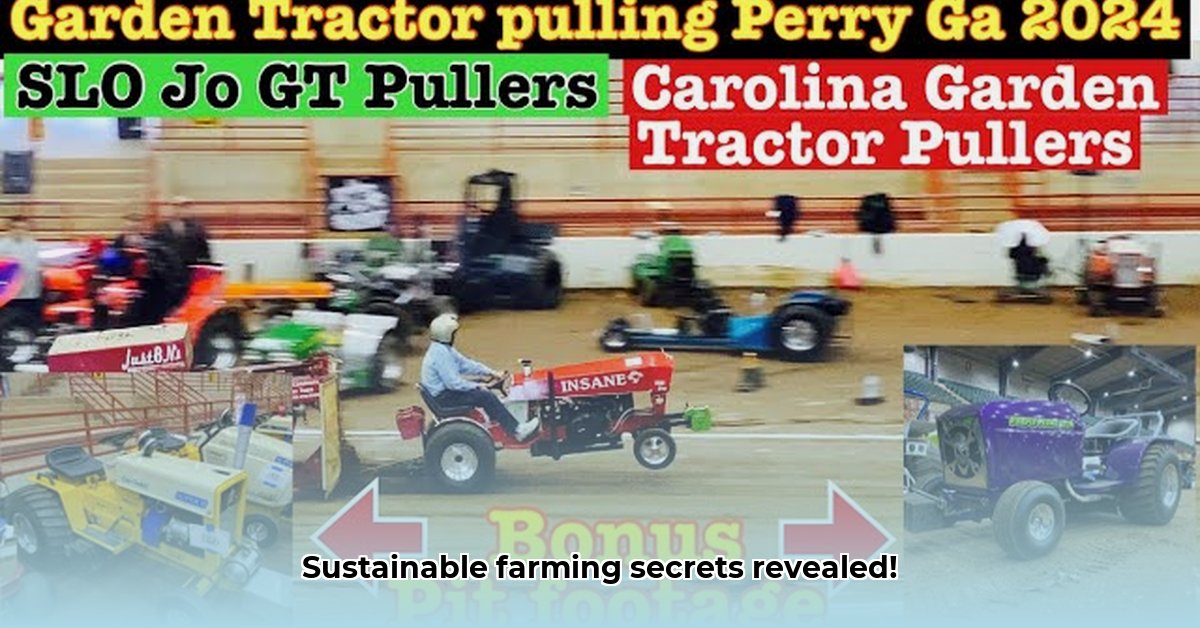
The Georgia sun beat down, warming the faces of attendees gathered amidst a symphony of clanking metal and the scent of oil and freshly turned earth. The Perry Fair Tractor Show, a spectacle of gleaming chrome and weathered paint, wasn't simply a display of antique tractors; it was a living testament to agricultural ingenuity and a powerful reminder of sustainable farming's enduring legacy. Old Man Hemlock, his hands as weathered as the oak trees on his farm, stood proudly beside his 1930s International Harvester, a machine embodying generations of hard work and innovative solutions. His stories, whispered secrets of the land passed down through time, served as a potent reminder: sustainable practices aren't a newfangled idea; they are a time-honored tradition. For more tractor shows, check out other shows.
More Than Just Shiny Metal: Learning from the Past
These weren't mere museum pieces; each tractor represented a triumph of resourcefulness and innovation. Consider the ingenuity required to cultivate the land with limited technology. Farmers, working with their hands and these remarkable machines, developed methods to maximize yields while minimizing environmental impact. Their deep understanding and respect for the land's limits led them to practice crop rotation, carefully manage water resources, and understand the vital importance of soil health. The Perry Fair Tractor Show offered a captivating glimpse into this ancestral wisdom, showcasing how our forebears managed to feed their families without the technology we now take for granted. How can we reconnect with this intimate knowledge of the land?
Rediscovering Old Wisdom: Sustainable Practices in Action
The show wasn't limited to static displays. Demonstrations brought historical practices vividly to life. One moment you'd watch a farmer expertly guide a horse-drawn plow, its gentle touch turning the soil, and the next, you'd learn about traditional methods of water harvesting and irrigation – techniques remarkably relevant today. These weren't historical curiosities; they were sustainable practices offering inspiration for solutions in modern agriculture. Experts suggest that many of these methods offer invaluable lessons in water conservation, soil protection, and the creation of healthy, resilient ecosystems. What untapped potential lies within these time-tested strategies?
Connecting Then and Now: Practical Applications for Today’s Farmers
The Perry Fair Tractor Show's organizers understood the crucial link between agricultural past and future. Educational exhibits highlighted the fascinating parallels between historical practices and contemporary sustainable farming, demonstrating how our ancestors' methods—such as composting animal waste to enrich the soil—echo the principles of modern organic farming. More than informative, these exhibits were inspirational, illustrating that sustainable farming is not a recent movement, but a return to fundamental principles. Experts believe that incorporating these time-tested methods could significantly reduce reliance on chemical fertilizers and pesticides, leading to improved soil health and a smaller environmental footprint. What specific applications can translate these historical practices into modern benefit?
Beyond the Fields: Building a Sustainable Future Together
The Perry Fair Tractor Show extended beyond gleaming tractors and nostalgic displays; it served as a vibrant hub connecting farmers, researchers, and policymakers—a space for sharing ideas, fostering collaborations, and shaping a vision for a more sustainable future. The show served as a powerful reminder that sustainable agriculture isn't about sacrificing progress, but making smart, informed decisions. It’s about embracing both tradition and technology, combining innovation with the wisdom of the past to create a resilient and environmentally friendly food system. It's a call to action, encouraging us to explore the rich legacy of farming and to build upon it for a brighter tomorrow.
A Closer Look: Key Practices, Then and Now
| Factor | Historical Practice | Modern Application | Potential Benefits | Potential Challenges |
|---|---|---|---|---|
| Soil Health | Crop rotation, composting, natural fertilizers | Cover crops, no-till farming, organic amendments | Improved soil structure, fertility, water retention | Transition costs, initial learning curve |
| Water Management | Water harvesting, efficient irrigation systems | Drip irrigation, rainwater harvesting | Reduced water consumption, minimized runoff | Requires investment, proper system design |
| Pest Control | Biological control (predators, beneficial insects) | Integrated Pest Management (IPM), biopesticides | Reduced pesticide use, protection of biodiversity | Requires knowledge of pest ecology, careful monitoring |
| Biodiversity | Mixed cropping, hedgerows | Diverse crop rotations, habitat creation | Enhanced ecosystem services, improved resilience | Requires land management expertise, potential yield trade-offs |
The Perry Fair Tractor Show provides a unique opportunity to explore the synergy between historical wisdom and modern innovation. It’s a compelling testament to the continued relevance of sustainable practices and how they shape our future. Attending the show offers a chance to interact with history while embracing the promise of an agricultural future that thrives while protecting the environment.
Classic Tractor News